




















Indoor vs. outdoor signs and banners: what changes?
Answered by NameBadge.com · Updated August 2026
Outdoor signs and banners need UV-stable inks, weather-resistant substrates, and wind-aware finishing (mesh, wind slits, heavier vinyl, more grommets). Indoor pieces can use lighter materials and standard finishing since they avoid sun, rain, and wind.
The difference between indoor and outdoor signage comes down to three stresses: UV, weather, and wind.
What changes outdoors?
- UV / fading: outdoor pieces need UV-stable inks and materials so color holds under sun. Indoor-only prints can fade quickly if moved outside.
- Weather: outdoor substrates must shed rain and handle temperature swings, vinyl banners, aluminum, and coated rigid boards do well; uncoated paper or foam board does not.
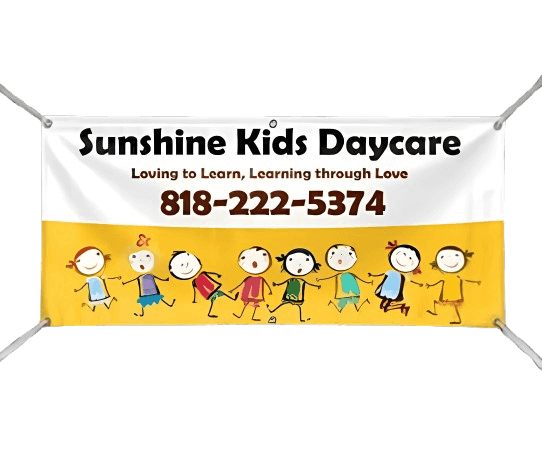
- Wind: large outdoor banners need mesh vinyl or wind slits, heavier 15-18 oz material, reinforced hems, and more frequent grommets to survive gusts.
| Indoor | Outdoor | |
|---|---|---|
| Ink | Standard | UV-stable |
| Material | Lighter OK | Weatherproof / heavier |
| Wind features | Not needed | Mesh, slits, extra grommets |
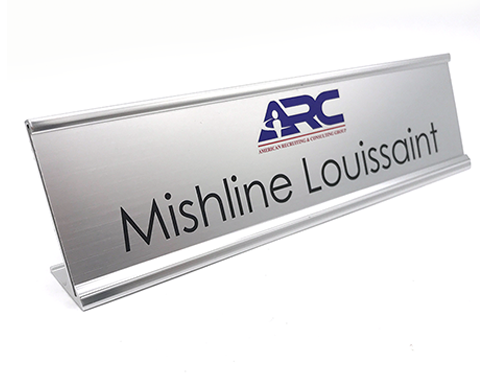
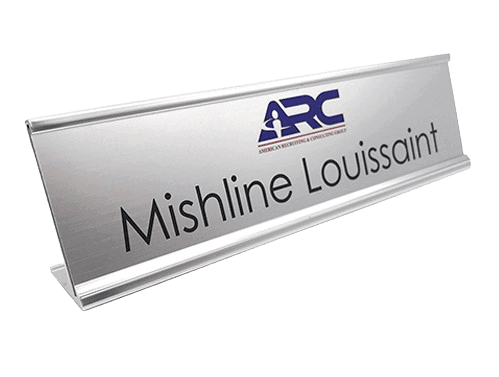
Rigid outdoor signs (aluminum, coated PVC) suit permanent installs, while banners suit flexible or temporary messaging. NameBadge.com prints with UV-durable, large-format equipment in the USA and finishes for the environment your sign will live in. Build a banner on our banner page.
Was this answer helpful?
Thanks for the feedback.
Like our answers?
Make NameBadge your preferred source on Google
One tap puts a preferred badge on our answers in your Google Search & AI results. No account, no sign-up.
Still need a human?
Our US-based team answers real questions, no bots. Since 2002.